Posted on Leave a comment

Lavender Essential Oil

Lavender Essential Oil: Why We Always Have a Bottle on Hand

If there’s one essential oil we all seem to come back to again and again, it’s lavender essential oil. It’s that soft, calming scent that instantly makes everything feel a little more peaceful. Whether you’re just getting into essential oils or you’ve had a stash for years, lavender is one of those staples that you will always want to have on hand. Let’s talk about where it came from, what we actually use it for, and how to store it so it lasts.
The History of Lavender

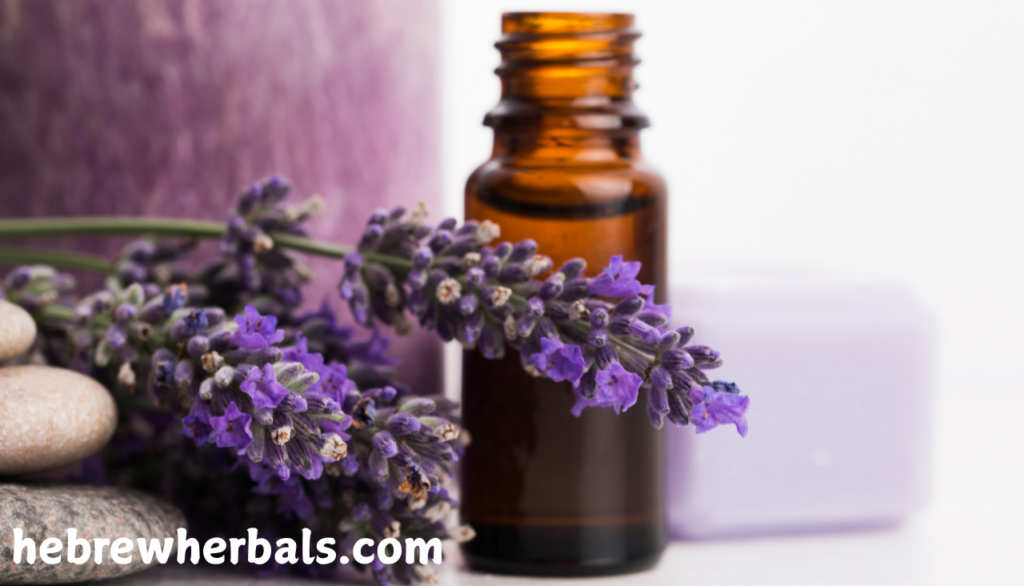
Lavender has been around for thousands of years, and people have loved it just as much back then as we do now. Ancient Egyptians used lavender in perfumes and embalming rituals, while the Romans added it to their baths, clothes, and homes.

The name “lavender” (Lavandula angustifolia) comes from the Latin word lavare, which means “to wash.” Makes sense, right?

What Lavender Essential Oil Is Good For

First, lavender essential oil is well known for relaxation. A few drops in a diffuser can help calm a busy mind, ease stress, and set the tone for better sleep. It’s a calming scent that you can use nearly anywhere, on nearly anyone. It’s safe to use during pregnancy, and breastfeeding.

Lavender essential oil may also ease some allergy symptoms. To use, simply begin by placing 2-3 drops in your hand, and breathing the scent in for 10 minutes.

It is also widely used for sachets in clothing drawers or closets, in a diffuser, and even DIY perfumes. It’s also great for freshening the air, or even as a linen spray. Lavender can also ease some headaches, and even sore muscles.

My favorite use for lavender is for minor burns. I keep a bottle in the kitchen where it’s easily reached for this reason. A single drop on a minor burn can help ease the pain and redness.

We also love using lavender essential oil for headaches, tension, and sore muscles. Mixed with a carrier oil and used in massage, it can feel incredibly comforting. It’s also widely used in DIY skincare and perfumes. It’s light, flowery scent is a great base note in perfumery.
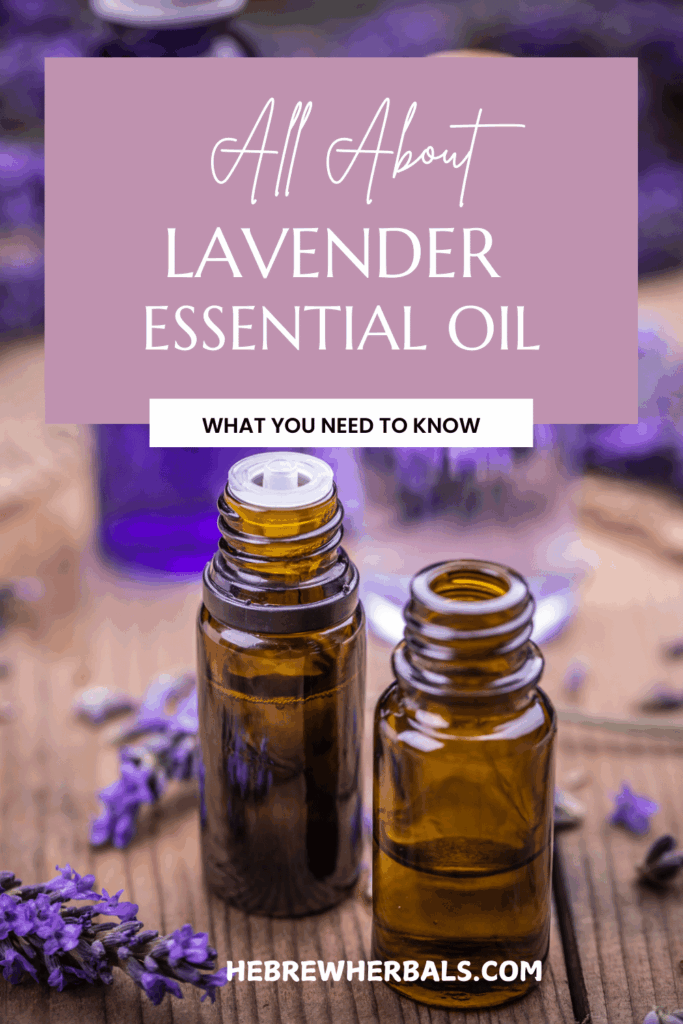
Lavender essential oil (Lavandula angustifolia) is more than just a calming scent — it’s one of the most versatile oils you can own. From better sleep and stress relief to skincare and everyday home uses, there’s a reason everyone keeps reaching for this floral favorite. Want to know why it works, how to use it, and what you might be missing? Find out more.

Therapeutic Properties of Lavender

Lavender has many uses. Among them are:

  • analgesic
  • anti-bacterial (bactericidal)
  • anti-fungal (fungicidal)
  • anti-histamine
  • anti-inflammatory/anti-phlogistic
  • anti-microbial/anti-septic
  • anti-parasitic (parasiticide)
  • anti-helmintic (vermifuge)
  • anti-viral (viridical),
  • calming, cicatrisant
  • decongestant
  • deodorant
  • nervine/neurotonic
  • sedative (nervous)
  • vulnera

How to Store Lavender Essential Oil Properly

If you want your lavender essential oil to last, storage matters. Always keep it in a dark glass bottle to protect it from light, which can break down the oil over time. Make sure the cap is tightly closed so air doesn’t get in and cause oxidation.

When you store it in a cool, dry place, your lavender essential oil should last approximately 4 years.

Other Oils To Blend With Lavender

Here are 10 essential oils that pair especially well with lavender, along with their botanical names, whether you’re blending for relaxation, mood support, or everyday use:

  1. Peppermint (Mentha piperita)
    Bright and cooling, peppermint adds an energizing contrast to lavender’s calm. Great for tension blends and mental clarity.
  2. Eucalyptus (Eucalyptus globulus)
    Fresh and camphorous, eucalyptus pairs well with lavender for breathing blends and a clean, spa-like aroma.
  3. Lemon (Citrus limon)
    Light and uplifting, lemon essential oil helps balance lavender’s floral notes and is perfect for fresh, cheerful blends.
  4. Sweet Orange (Citrus sinensis)
    Warm and happy, sweet orange blends beautifully with lavender for mood-boosting and relaxing combinations.
  5. Frankincense (Boswellia carterii)
    Deep and grounding, frankincense enhances lavender’s calming effects and works well in meditation or evening blends.
  6. Geranium (Pelargonium graveolens)
    Floral and slightly herbal, geranium complements lavender for emotional balance and skin-care blends.
  7. Bergamot (Citrus bergamia)
    Soft citrus with floral undertones, bergamot pairs wonderfully with lavender for stress relief and emotional support.
  8. Chamomile (Roman) (Chamaemelum nobile)
    Gentle and soothing, Roman chamomile and lavender are a classic duo for relaxation and bedtime blends.
  9. Cedarwood (Cedrus atlantica)
    Warm and woody, cedarwood adds depth to lavender and is perfect for grounding and calming blends.
  10. Ylang Ylang (Cananga odorata)
    Rich and exotic, ylang ylang enhances lavender’s floral notes and works well in relaxation and self-care blends.

What is your favorite part of lavender essential oil?
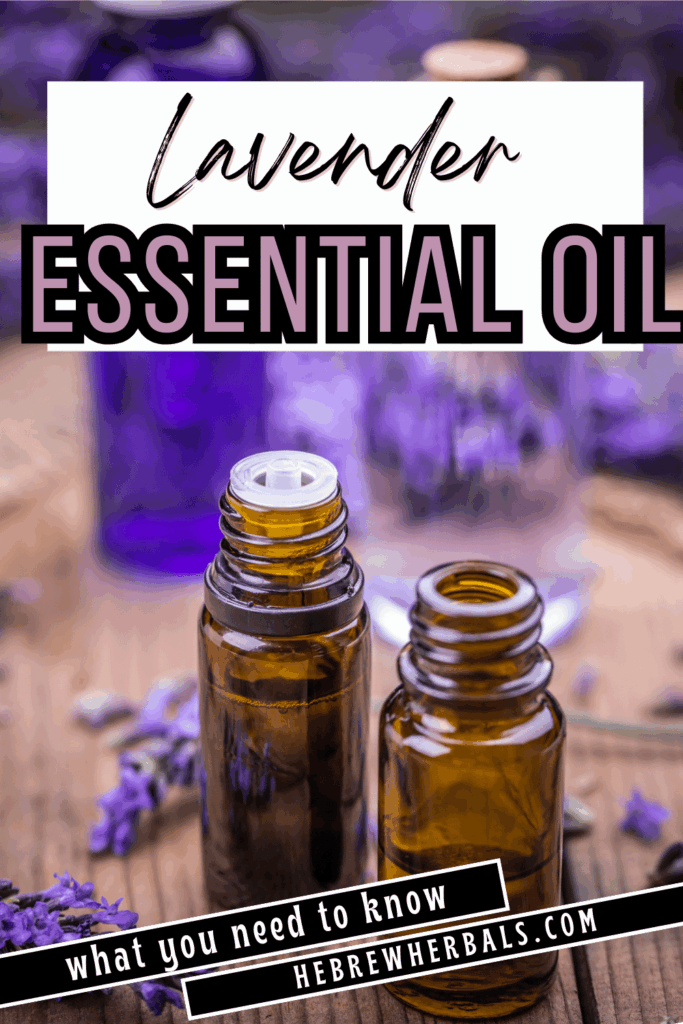
Lavender essential oil (Lavandula angustifolia) is more than just a calming scent — it’s one of the most versatile oils you can own. From better sleep and stress relief to skincare and everyday home uses, there’s a reason everyone keeps reaching for this floral favorite. Want to know why it works, how to use it, and what you might be missing? Find out more.

Lavender (Lavandula angustifolia)

  1. Lavender essential oil is well known for relaxation, stress relief, and sleep support. (NCCIH)
  2. Research shows lavender oil exhibits anti-inflammatory, antimicrobial, and analgesic properties. (PubMed)
  3. Clinical aromatherapy studies indicate lavender inhalation may improve anxiety and sleep quality. (PubMed)
Posted on Leave a comment

What is Herbal Medicine? A Beginner’s Guide

Curious about herbal medicine? Learn the basics in this beginner-friendly guide and start your natural wellness journey today!

Curious about herbal medicine? Learn the basics in this beginner-friendly guide and start your natural wellness journey today!

This post contains links to affiliate websites, such as Amazon, and we receive an affiliate commission for any purchases made by you using these links. We appreciate your support!

What is Herbal Medicine?

Have you ever wondered what herbal medicine is all about? Maybe you’ve seen fancy teas, tinctures, or supplements at your local health store and thought, “Hmm, could this actually work?” Well, let me break it down for you.

Herbal medicine—sometimes called botanical medicine, plant-based medicine, or phytotherapy—is basically using plants to help your body feel better.

People have been using plants to treat sickness, boost energy, and stay healthy for thousands of years. Think of it as nature’s medicine cabinet.

Herbal Medicine At The Core

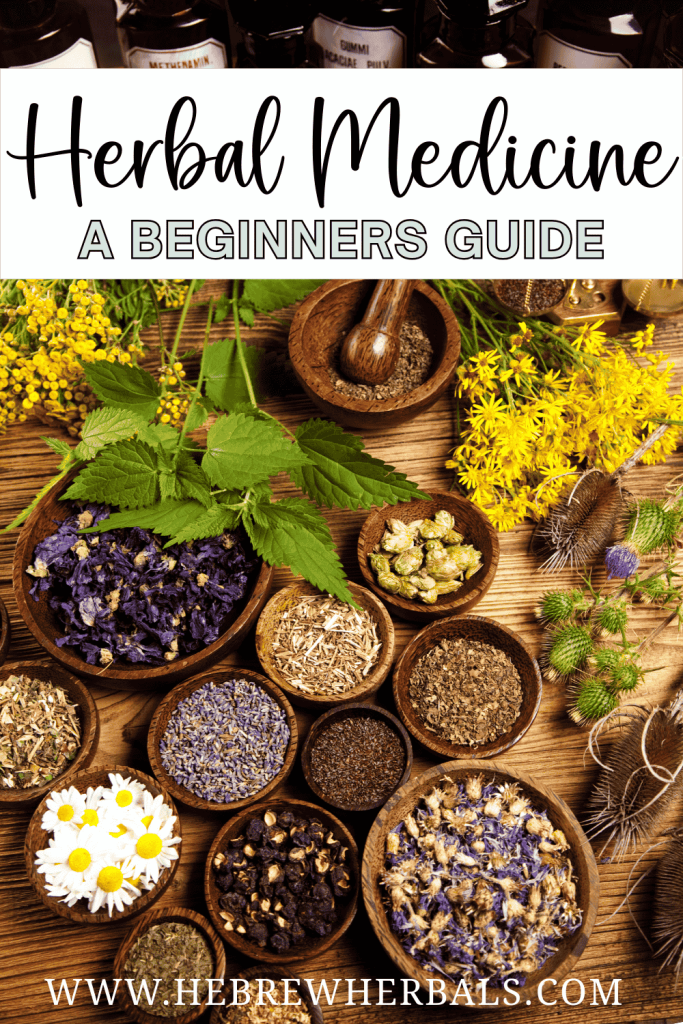
At its heart, herbal medicine is all about using plants—like leaves, roots, flowers, seeds, or bark—to support your health. Actually, many prescription drugs are derived from these plants in the beginning.

For example, the constituent of aspirin, salicin, is found in white willow bark. It was then synthesized to create what is bottled on the pharmacy shelves today.

The biggest difference is that prescription drugs generally use one active ingredient, herbal medicine will use the whole plant.

This has been done for centuries in different cultures around the world. From the Chinese using Traditonal Chinese Medicine (TCM) to Eastern India using Ayurveda, and even Native Americans, herbal medicine has been at the heart of healing for ages.

The best part? You can easily incorporate healthy herbs into your daily life, without needing a degree in herbalism.

Why Herbal Medicine is Awesome

Why would you even want to use herbal medicine? Here are the some good reasons:

  • It’s gentle and natural. Herbs support your body without harsh chemicals.
  • It can help prevent problems. Some herbs strengthen your immune system or help you manage stress.
  • Symptom relief. Got a headache or a bloated belly? There’s probably an herb for that.
  • It’s holistic. Herbal medicine often addresses both your body and your mood.
  • Fewer side effects. Used responsibly, herbs can be gentler than synthetic medications.

Safety First, Friends

Just because herbs are natural doesn’t mean you can throw them in any amount willy-nilly. Herbal medicine still needs to be used with caution. Here are some tips to stay safe:

  1. Talk to a pro. A herbalist or healthcare provider can help you figure out what’s right for you, especially if you’re taking medications.
  2. One at a time. Introduce one herb first so you can notice how your body responds.
  3. Watch for allergies. Test herbs in small amounts before making them a regular thing.
  4. Stick to recommended doses. More isn’t always better. As a matter of fact, more of certain herbals can sometimes be harmful.
  5. Choose quality products. Organic and reputable brands are best to make sure you’re getting the real deal. Here’s what I use in my herbal apothecary.

Using Herbal Medicine in Everyday Life

The good news? You don’t have to go mega-herbalist overnight. Here are some easy ways to get started:

Morning teas: Skip the coffee and start your day with a cup of tea. Try peppermint, ginger, lemon balm, or chamomile.

Cook with herbs: Toss turmeric, thyme, oregano, garlic, or rosemary into meals. Let your food be your medicine.

Tinctures: Keep your favorite tinctures handy for quick doses.

Why Herbal Medicine is Here to Stay

More people are turning to herbal medicine as a natural way to take care of themselves. Science is catching up too, studying how herbs actually work. So whether you want to prevent illness, relieve symptoms, or just explore something natural, herbal medicine is a great option.

Herbal medicine is more than a trend—it’s a centuries-old approach to health that actually works. Starting is easier than you think: brew a tea, toss some herbs in your meals, or try a tincture.

Listen to your body, take it slow, and enjoy exploring this natural path to wellness.